
Routine Rental Property Inspections: How Often, What to Check, and How to Stay Respectful
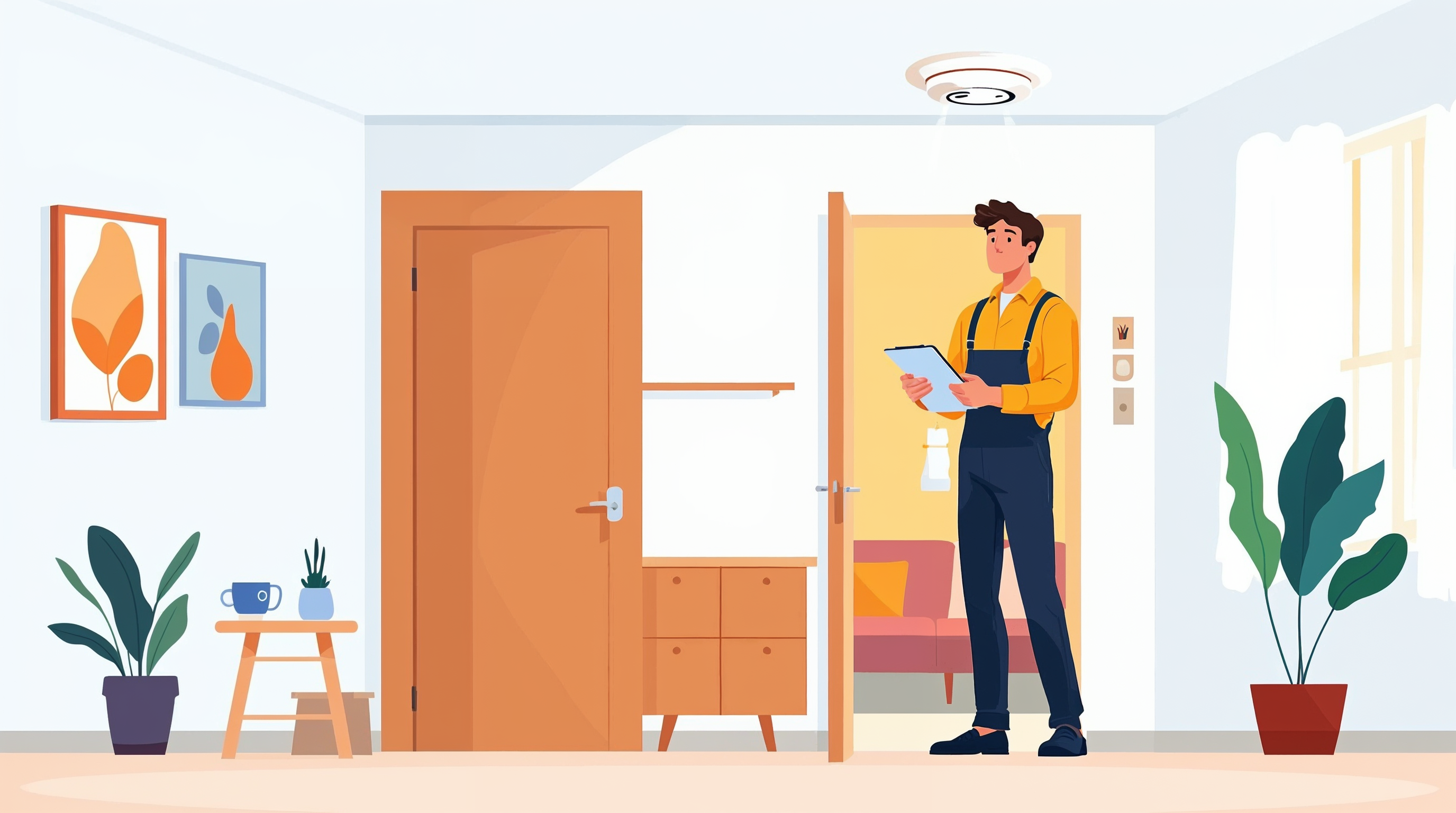
A practical guide to periodic mid-lease inspections: how often to do them, what to check, and how to stay respectful and lawful.
Most landlords only see the inside of a unit twice: once at move-in, and once at move-out. In between, months or years can pass with no real visibility into how the property is actually being treated — until a small leak becomes a rotted subfloor, or a "no pets" lease turns out to have an undisclosed cat and a scratched-up door. Routine inspections during the tenancy close that gap. Done right, they're not about catching tenants doing something wrong; they're a simple maintenance and risk-management habit that protects your property and, often, saves tenants from problems they didn't even know they had.
Here's a practical look at how to build a routine inspection habit that's useful, respectful of your tenants, and easy to actually keep up with.
Why Bother With Inspections Between Move-In and Move-Out?
The case for periodic inspections comes down to catching small problems while they're still small. A slow leak under a sink, a furnace filter that hasn't been changed in a year, a smoke detector with a dead battery — none of these show up on a rent payment, but all of them get more expensive and more dangerous the longer they go unnoticed. A mid-lease walkthrough is also a natural moment to confirm the unit is being used as agreed (occupancy, pets, no unauthorized subletting) and to keep your own documentation current, rather than relying on move-in photos that are now a year or two old.
There's a relationship benefit too. A brief, professional, well-communicated inspection signals that you're an attentive landlord who takes maintenance seriously — which tends to make tenants more comfortable reporting issues early instead of letting them fester.
How Often Should You Actually Do This?
There's no universal answer, and it depends on the property, the tenant relationship, and your own bandwidth. Many landlords settle into a rhythm of one general walkthrough a year, sometimes paired with a lease renewal conversation, plus targeted visits when something specific needs attention — a seasonal HVAC check, a follow-up after a reported repair, or a look at a unit with a known maintenance history. Inspecting too rarely means problems go undetected for a long time; inspecting too often can feel intrusive and strain an otherwise good tenant relationship. A light annual cadence, with exceptions when there's a real reason, is a reasonable default for most residential rentals.
What to Actually Check
A useful inspection doesn't need to be exhaustive, but it should be consistent so you're comparing the same things over time. A solid general checklist covers:
- Safety systems: smoke and carbon monoxide detectors (test them, check battery dates), fire extinguishers if provided, and clear egress paths.
- Water and moisture: under sinks, around toilets, water heater connections, and any past leak areas — water damage is one of the costliest problems to catch late.
- HVAC: filter condition, unusual noises, and whether heating/cooling is working as expected.
- Structural and cosmetic condition: walls, flooring, and fixtures, compared against your move-in documentation.
- Lease compliance basics: signs of unauthorized occupants, pets not on the lease, or use of the unit that doesn't match what was agreed.
- Anything the tenant has already flagged: use the visit to confirm past maintenance requests were actually resolved.
Giving Notice and Staying on the Right Side of the Law
This is the part of inspections landlords most often get wrong, and it's worth being careful here. Rules about how much advance notice you must give before entering an occupied unit, what counts as an acceptable reason for entry, and how that notice must be delivered vary significantly by state and sometimes by city — and getting it wrong can undermine an otherwise reasonable inspection and damage trust with your tenant. Rather than guessing, check your specific state and local landlord-tenant law, or talk to a licensed attorney, before setting a standard notice policy. As a general practice regardless of jurisdiction: put the request in writing, propose a specific window rather than showing up unannounced, and be willing to reschedule if it's genuinely inconvenient for the tenant. Treat the inspection as something you're doing with the tenant's cooperation, not something you're entitled to spring on them.
Documenting What You Find
An inspection that isn't recorded anywhere is mostly wasted effort — you want a record you can actually compare against next time, and one that's useful if a dispute ever comes up later. Date-stamped photos, a short written note per room, and a clear flag for anything that needs follow-up (a repair, a lease violation conversation, a re-check next quarter) are enough for most residential properties. The goal isn't a legal-grade report; it's a consistent habit that means you're never relying on memory.
Where Easy Rent Tracker Fits In
A lot of what makes routine inspections sustainable is having somewhere to put the results that you'll actually find again later. Easy Rent Tracker's tenant management tools let you attach notes and store lease agreements against each tenant, so an inspection note lands right next to the lease terms it's checking against, instead of in a separate folder you'll forget about. If you're managing more than one unit, the portfolio dashboard gives you a single view of every property and lease expiry date, which makes it easy to notice which units haven't had a check-in for a while. Smart reminders can be set up so lease renewals and maintenance follow-ups don't slip — useful for the "check back on this in three months" items an inspection tends to generate. And because the mobile apps are built for managing properties on the go, you can log notes and reference tenant and lease details while you're standing in the unit, rather than trying to remember details until you're back at a desk.
None of this replaces the judgment call of deciding what to check or how often — but it does mean the record you build from each visit is actually useful the next time you need it.
If staying on top of inspections, maintenance, and lease timing across your properties sounds like something a bit more structure would help with, you can see how Easy Rent Tracker's plans compare at easyrenttracker.com/pricing.
Frequently asked questions
How often should I inspect my rental property during a tenancy?
There's no universal rule, but many landlords settle into roughly one general walkthrough a year, plus targeted visits when there's a specific reason, like a seasonal HVAC check or a follow-up on a reported repair. Inspecting too rarely lets small problems grow; inspecting too often can feel intrusive, so a light annual cadence with exceptions is a reasonable default for most residential rentals.
What should I actually check during a routine inspection?
A consistent checklist works best: safety systems like smoke and carbon monoxide detectors, water and moisture issues under sinks and around fixtures, HVAC condition (filters, noises, performance), general structural and cosmetic condition compared to your move-in documentation, and basic lease compliance like unauthorized occupants or pets.
How much notice do I need to give before entering an occupied unit?
Rules about required notice periods, acceptable reasons for entry, and how notice must be delivered vary by state and sometimes by city, so this isn't something to guess at. Check your specific state and local landlord-tenant law, or talk to a licensed attorney, before setting a standard policy. Regardless of jurisdiction, it's good practice to give written notice, propose a specific time window, and be willing to reschedule if it's inconvenient for the tenant.
Do I need to write up a formal report after each inspection?
It doesn't need to be a legal-grade report, but it should be more than memory. Date-stamped photos, a short note per room, and a clear flag for anything needing follow-up are enough for most residential properties, and give you a record to compare against next time or reference if a dispute ever comes up.