
Smoke and Carbon Monoxide Detectors: Building a Testing Routine You Can Actually Prove You Followed
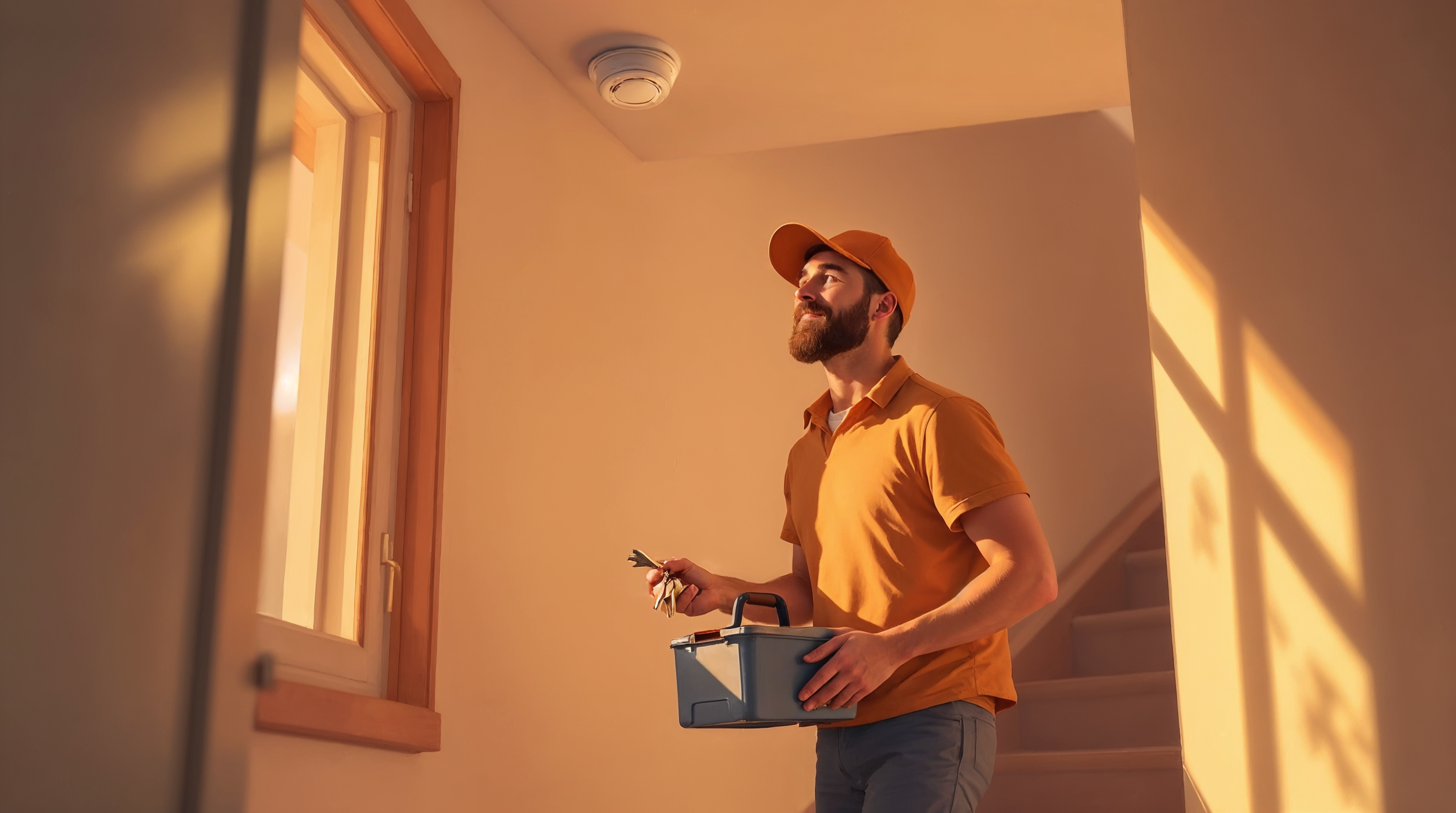
A practical system for testing detectors, replacing batteries, and documenting it so you're covered if anyone ever asks.
Smoke and carbon monoxide detectors are some of the cheapest, most important pieces of equipment in any rental unit, and they're also some of the easiest to forget about. A detector gets installed when a unit is built or renovated, everyone assumes it's working, and then a year or two goes by without anyone actually confirming that. The good news is that fixing this doesn't require a complicated system — it requires a routine you actually stick to, and a simple record of having done it.
Why a Routine Matters More Than the Detector Itself
A detector that was properly installed and never checked again is not meaningfully different from having no detector at all once its battery dies or its sensor ages out. Most units have a useful sensor life, after which the whole unit (not just the battery) needs replacing — information that's usually printed on the back of the detector or in its manual. The point of a routine isn't just peace of mind; it's catching a dead unit before it matters, and having a record that you were checking regularly rather than hoping nothing ever came up.
What a Simple Testing Schedule Can Look Like
Most landlords land on some version of: test the button on every detector at move-in and move-out, swap batteries on a fixed schedule (twice a year is a common rule of thumb many people tie to daylight saving time changes), and do a closer look during any routine inspection. You don't need to remember all of this yourself. Easy Rent Tracker's reminder notifications can be set up to nudge you ahead of recurring maintenance follow-ups, so a seasonal detector check becomes something that shows up on your radar automatically instead of something you're relying on memory for across every unit you own.
Where Local Rules Come In
How many detectors are required, where they must be placed, and how quickly a reported issue must be fixed are all things that vary by state and sometimes by city, and some jurisdictions have specific rules for carbon monoxide detectors in units with gas appliances or attached garages. This article can't tell you what applies to your specific property, so treat the testing routine here as a baseline good practice, not a substitute for checking your local landlord-tenant code or asking a licensed attorney if you're unsure what's legally required where you own property.
Documenting What You Did, Not Just Doing It
If a detector issue ever becomes a dispute — a tenant says you were slow to respond, or something worse happens and you need to show you were on top of maintenance — the difference between "I always test them" and a dated record showing you tested them is enormous. A quick note logged against the unit each time you test or replace a battery, kept alongside your lease and tenant records rather than scattered across texts and memory, is the kind of documentation that holds up months or years later when you need to reconstruct what happened and when.
Treating Tenant Reports as a Priority, Not a Queue Item
When a tenant tells you a detector is chirping, won't stop beeping, or seems to not be working at all, that report deserves to move to the front of the line ahead of cosmetic repairs. Logging it as a maintenance item the moment it comes in, rather than letting it sit in a text thread, means it doesn't quietly fall through the cracks during a busy week. Once it's fixed, log the replacement battery or unit as an expense against that property so the cost is captured in your records rather than lost in a receipt you'll never find again.
Scaling the Routine Across More Than One Property
Testing detectors in one unit is easy to keep in your head. Once you're managing several properties, it gets much harder to remember which unit had its batteries swapped last spring and which one is overdue. Having a portfolio view that shows all your properties and units at a glance makes it easier to treat this as a rotating checklist rather than trying to recall it property by property, especially heading into the months when you're also juggling lease renewals and other seasonal maintenance.
Making It a Habit, Not a One-Time Project
The landlords who never think about this twice are usually the ones who built it into something that happens automatically — tied to a lease renewal, a seasonal reminder, or a recurring date on the calendar — rather than something they have to remember to think of on their own. If you're setting this up for the first time, it's worth looking at how Easy Rent Tracker's plans handle reminders and multi-property tracking at easyrenttracker.com/pricing to see what fits the size of your portfolio.
Frequently asked questions
How often should smoke and carbon monoxide detectors be tested?
A common baseline many landlords use is testing the button on every detector at move-in, move-out, and during routine inspections, with battery replacement on a fixed schedule such as twice a year. Always check the manufacturer's guidance for the specific unit and your local code, since requirements can vary.
Who is responsible for testing detectors, the landlord or the tenant?
This varies by state and lease terms, and in many cases both have some role — the landlord ensuring units are installed and functional, and the tenant agreeing to report problems promptly. Check your local landlord-tenant rules or a licensed attorney for what applies to your property.
What should I do if a tenant reports a detector isn't working?
Treat it as a priority maintenance item rather than letting it wait in a general queue. Log it, address it quickly, and document when it was reported and resolved.
Do landlords need to document that they tested detectors?
Even where it isn't strictly required, keeping a dated record of testing and battery replacement is good practice. It gives you something concrete to point to if a dispute or incident ever raises the question of whether detectors were maintained.